
Procured Markets

Smarter Pathways For Strategic Sourcing

Filron Solutions helps manufacturers and industrial facilities turn underutilized byproducts into measurable value.

From oil and gas and refinery operations to petrochemical, mining, and specialty chemical facilities, we develop practical reuse, recycling, and recovery pathways for complex residual materials, reducing disposal burden, strengthening compliance and safety support, and creating new economic value from materials that might otherwise be treated as waste.

Sectors We Support

Oil & Gas

Examples include: Caustic, Methanol, Sodium Hypochlorite
Water Treatment

Examples include: Hydrochloric Acid (HCl), Sulfuric Acid, Sodium Hypochlorite, Phosphoric Acid

Petrochemicals

Examples include: Styrene, Xylene, Phenols, Olefins, Pyrolysis Oil, Cutterstock
Inks, Paints & Coatings

Examples include: Toluene, MEK, Ethyl Acetate, n-Propanol, n-Butanol
Specialty Chemical

Specialty chemical manufacturers that generate narrow-spec or custom formulations, off-spec lots, lab and pilot residuals, intermediates, and additives that require tailored evaluation and downstream placement.

Examples include: Caustic, Methanol, Sodium Hypochlorite
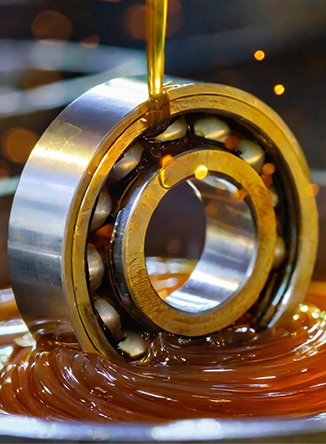
Lubricants & Greases

Examples include: Flush Oils, Lube Oil, Grease Flush, Additive Flush
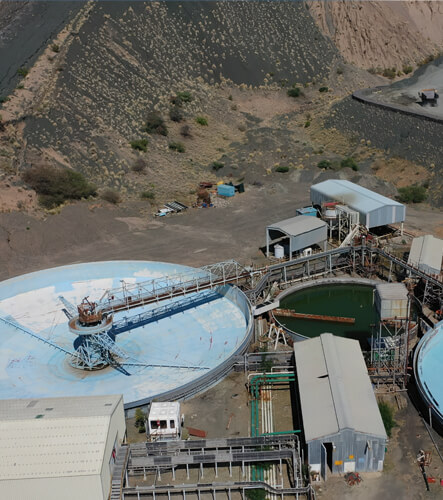
Mining

Examples include: MIBC, 2EH, Ethoxylated Alcohols

Agriculture

Examples include: Urea Ammonium Nitrate, Potassium Carbonate, Potash, Ammonia
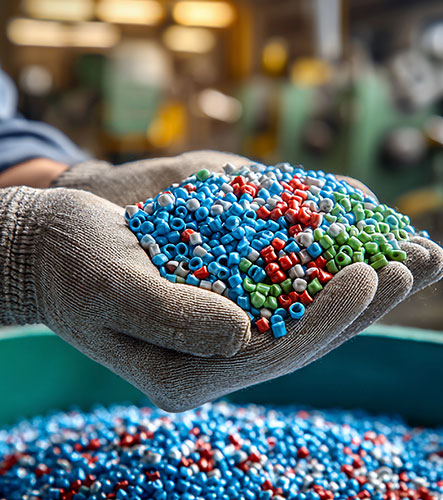
Polymers & Plastics

Examples include: Plastic Purge, Plastic Scrap
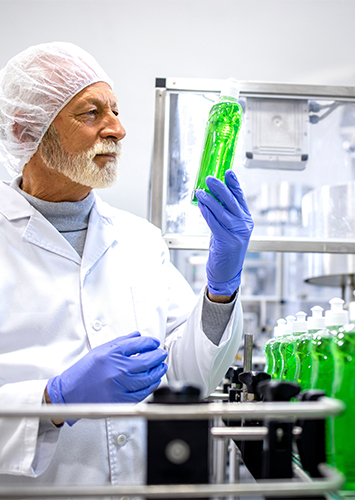
Surfactants

Examples include: SLES, Surfactant Blends, Amine Oxides, Ethoxylated Alcohols, Ethoxylated Amines
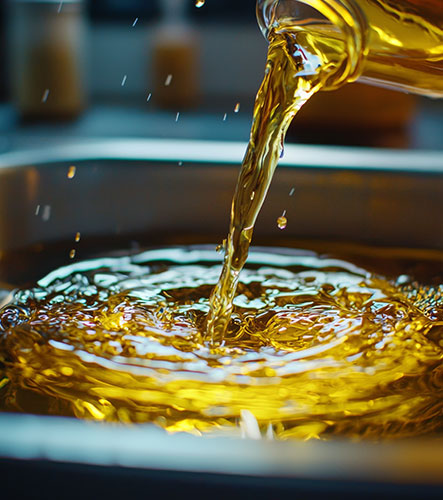
Fats & Oils

Examples include: Fatty Acids, Vegetable Oils, Skim Oils, Used Cooking Oils, Acidulated Oils
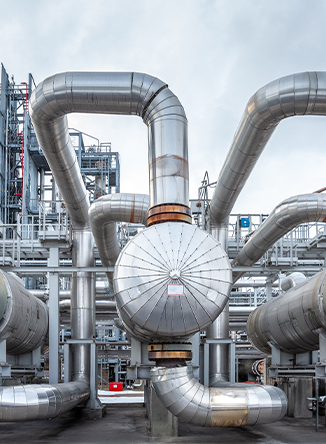
Refinery

Examples include: Fuel Oil, Column Bottoms, Column Lights, Reactor Flush, Blowdown Oil

Sectors We Support

Oil & Gas

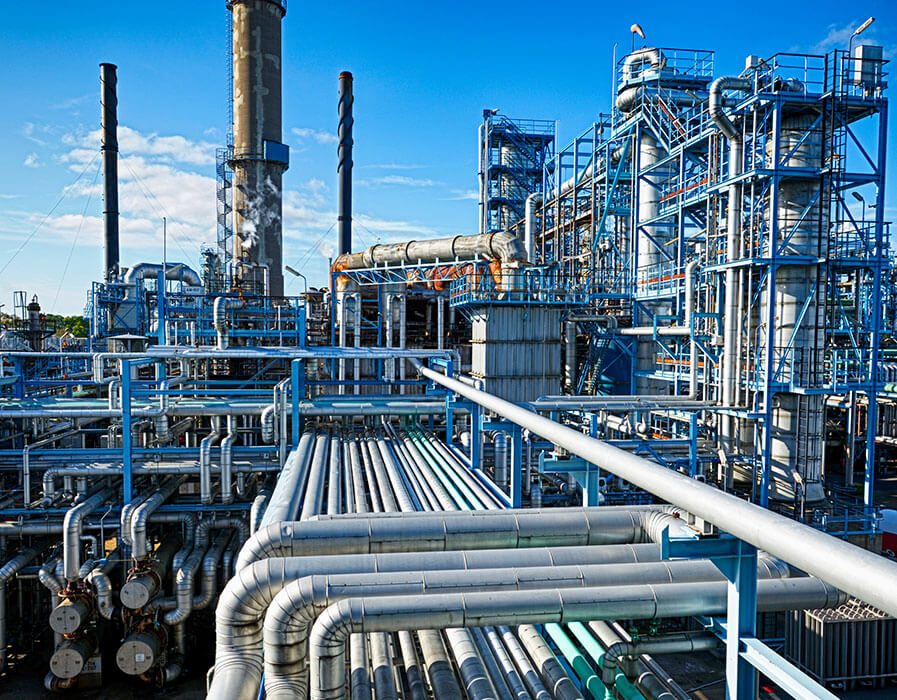
Oil and gas facilities that need structured oil and gas byproduct management for off-spec fuels and blend stocks, intermediates, slops, tank clean-out material, solvents, glycols, lubricants, and other residual streams.

Examples include: Caustic, Methanol, Sodium Hypochlorite

Water Treatment

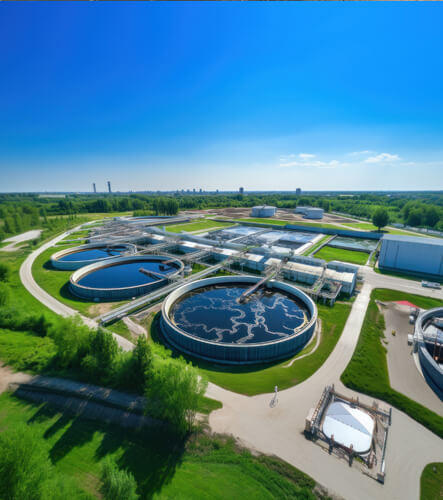
Water treatment operations that manage treatment chemicals, residual sludges, off-spec additives, and other secondary streams that require safe, compliant handling beyond primary treatment or discharge.

Examples include: Hydrochloric Acid (HCl), Sulfuric Acid, Sodium Hypochlorite, Phosphoric Acid

Petrochemicals

Petrochemical and refinery sites that need refinery byproduct recycling and management for co-products, intermediates, off-spec chemicals, hydrocarbon streams, spent solvents, and process residuals generated during production.

Example: Styrene, Xylene, Phenols, Olefins, Pyrolysis Oil, Cutterstock

Inks, Paints & Coatings

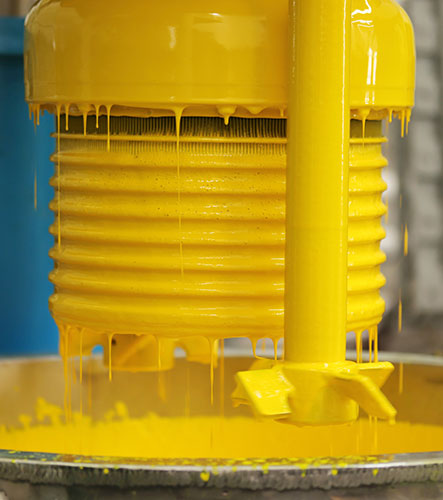
Inks, paints, and coatings facilities that handle solvent-based and water-based formulations, pigments, resins, washout material, off-spec batches, and cleaning residuals that must be managed beyond standard production use.

Examples include: Toluene, MEK, Ethyl Acetate, n-Propanol, n-Butanol

Specialty Chemical

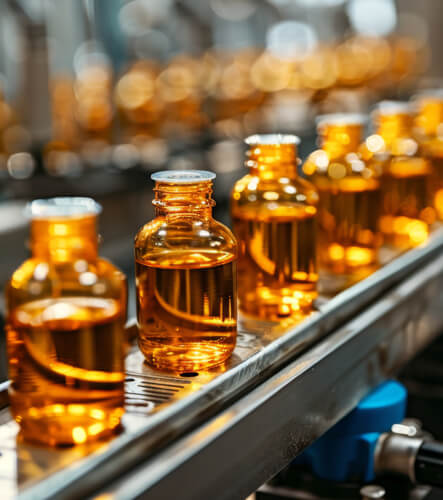
Specialty chemical manufacturers that generate narrow-spec or custom formulations, off-spec lots, lab and pilot residuals, intermediates, and additives that require tailored evaluation and downstream placement.

Examples include: Caustic, Methanol, Sodium Hypochlorite

Lubricants & Greases

Lubricant and grease producers that manage off-spec oils, finished lubes, greases, metalworking fluids, and additive packages that are no longer suitable for primary sale but may have secondary application potential.

Examples include: Flush Oils, Lube Oil, Grease Flush, Additive Flush

Mining

Mining and mineral processing operations that generate process chemicals, reagents, residual liquids, slurries, and other byproducts from extraction, separation, and refining steps that need responsible reuse or recovery pathways.

Examples include: MIBC, 2EH, Ethoxylated Alcohols

Agriculture

Agricultural manufacturing and processing facilities that handle oils, nutrients, surfactants, additives, and residual blends from formulation, blending, and packaging that fall outside primary product specifications.

Example: Urea Ammonium Nitrate, Potassium Carbonate, Potash, Ammonia

Polymers & Plastics

Polymer and plastics producers that manage off-spec resins, pellets, blends, additives, intermediates, and regrind streams from extrusion, molding, or compounding processes that may be redirected into secondary applications.

Examples include: Plastic Purge, Plastic Scrap

Surfactants

Surfactant manufacturers that work with concentrated actives, intermediates, off-spec blends, and residual solutions that require careful handling and evaluation before recovery or reuse.

Example: SLES, Surfactant Blends, Amine Oxides, Ethoxylated Alcohols, Ethoxylated Amines

Fats & Oils

Fats and oils processors that manage off-spec products, distillation residues, fryer or process oils, fatty acids, and organic residuals that may be recovered, upgraded, or redirected into alternative markets.

Examples include: Fatty Acids, Vegetable Oils, Skim Oils, Used Cooking Oils, Acidulated Oils

Refinery

Refinery-related co-products and by-products, off-spec fuels, oils and solvents, recovered solvents and feedstocks, slop oil, tank bottoms, line flush, expired or distressed products, and other residuals with reuse or recycling potential.

Examples include: Fuel Oil, Column Bottoms, Column Lights, Reactor Flush, Blowdown Oil

How We Evaluate Fit

Underutilized material streams can hold real market value. Filron’s job is to identify that potential, verify the material, and move the opportunity forward without shifting the burden back on your facility.

We build a confirmed material profile using SDS, specifications, and available lab data, then connect qualified materials with downstream users and processors that align with your safety, compliance, and performance requirements. Our truck, rail, and marine logistics capabilities give your program the reach to place oil and gas byproducts, refinery residuals, and industrial co-products where qualified demand exists.

Evaluation. Placement. Execution. Built to scale with your operation.

How We Evaluate Fit

Underutilized material streams can hold real market value. Filron’s job is to identify that potential, verify the material, and move the opportunity forward without shifting the burden back on your facility.

We build a confirmed material profile using SDS, specifications, and available lab data, then connect qualified materials with downstream users and processors that align with your safety, compliance, and performance requirements. Our truck, rail, and marine logistics capabilities give your program the reach to place oil and gas byproducts, refinery residuals, and industrial co-products where qualified demand exists.

Evaluation. Placement. Execution. Built to scale with your operation.

Frequently Asked Questions

We start by reviewing your material data (SDS, specs, lab results), current handling or disposal methods, and any site constraints tied to safety and compliance. From there, we compare the confirmed material profile against qualified outlets in our network, looking at technical compatibility, regulatory requirements, logistics feasibility, and real-world economics before we recommend any reuse, recycling, or recovery pathway.

For oil and gas and refining operations, Filron supports oil and gas byproduct management and refinery byproduct recycling for off-spec fuels and blend stocks, intermediates, slops, tank clean-out material, solvents, glycols, lubricants, and other residual streams. We help determine when those materials can move into responsible secondary use instead of defaulting to disposal.

The core steps are consistent — assessment, validation, and execution — but how they’re applied varies by sector. Oil and gas byproduct management, refinery byproduct recycling, and mining residuals, for example, often require deeper regulatory review, different logistics planning, and more detailed technical validation than non‑hazardous streams in other industries. We tailor the process to the risks and requirements of each market.

We work with both hazardous and non-hazardous materials, treating each opportunity with the same emphasis on safety, regulatory compliance, and traceability. Our approach includes proper characterization, alignment with permitted outlets, and logistics support using trained and certified personnel, so industrial byproduct management stays within the right regulatory and operational boundaries from your site to final placement.

Many materials and processes cross traditional sector lines, especially for intermediates, co-products, or residual streams. If your facility doesn’t fall neatly into oil and gas, petrochemical, mining, or the other sectors we highlight, we still encourage you to share your material profile. We evaluate each stream on its own technical and regulatory merits and can often identify opportunities even in niche or mixed-process environments.

Our goal is to move underutilized materials into better outcomes whenever it is technically and legally viable. That can mean lowering disposal costs, freeing storage capacity tied up in off-spec or distressed inventory, improving recovery value through targeted reuse, or supporting ESG and sustainability reporting with documented reductions in waste-to-disposal volumes. Across sectors, we treat industrial byproduct management as a strategic lever, not just a cost center.

Let’s Identify the Right Market for Your Material

If you’re a manufacturer, refinery, or industrial operator managing off-spec products, residuals, co-products, or underutilized materials, Filron Solutions helps determine their market potential and connect qualified streams with responsible downstream buyers and processors.

Contact Us